
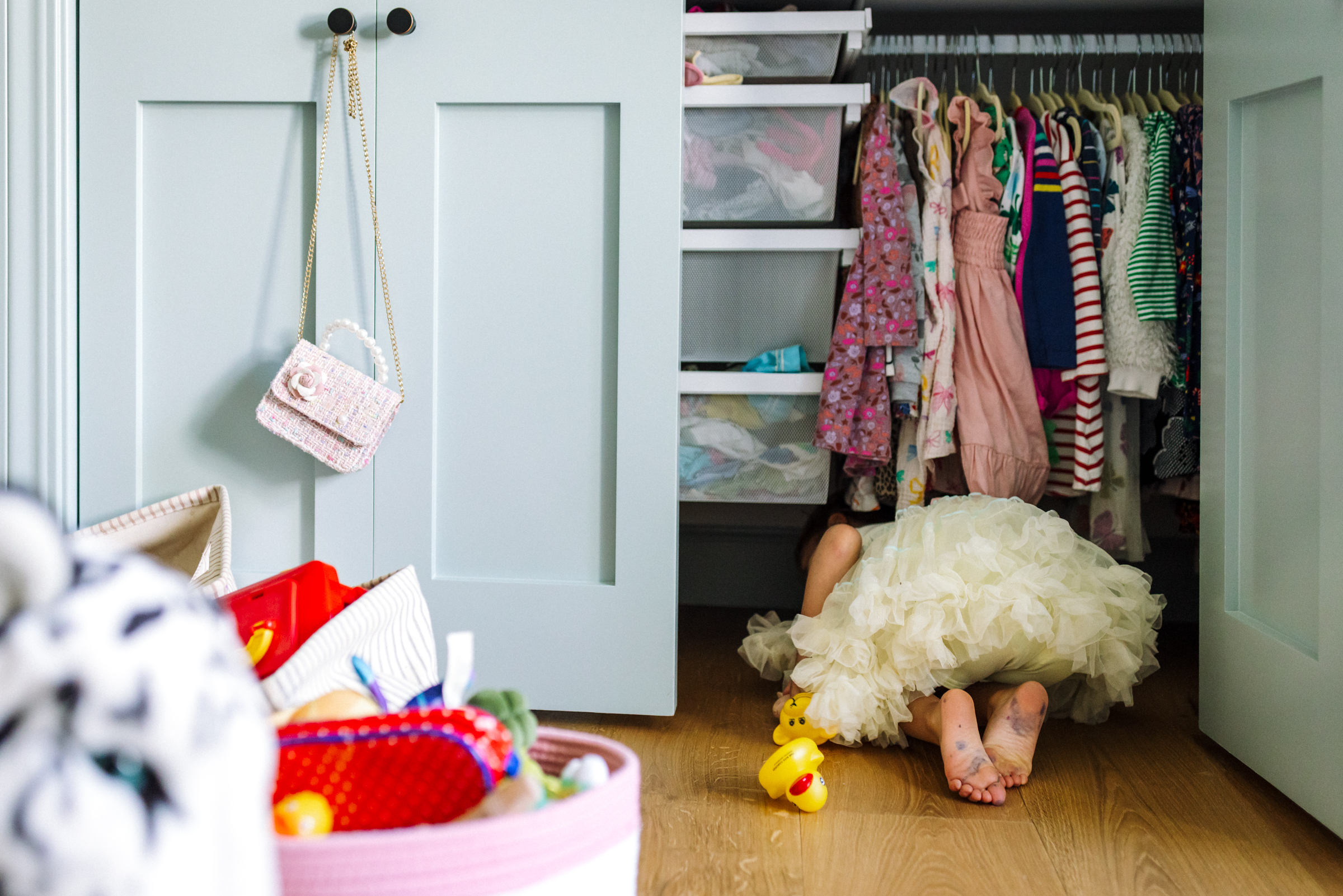


A lot of parents come into family photos with a quiet worry about how their child will handle it. Sometimes they say it right away. Other times it comes out once we’re already talking — that their child is anxious around new people, slow to warm up, or easily overwhelmed in new situations. As an Oakland family photographer, I hear this a fair amount.
None of that is unusual to me.
Some kids need time before they feel comfortable. Some need movement, or a slower pace, or want nothing to do with me at first. That doesn’t mean the session won’t work — it just means I approach it differently.
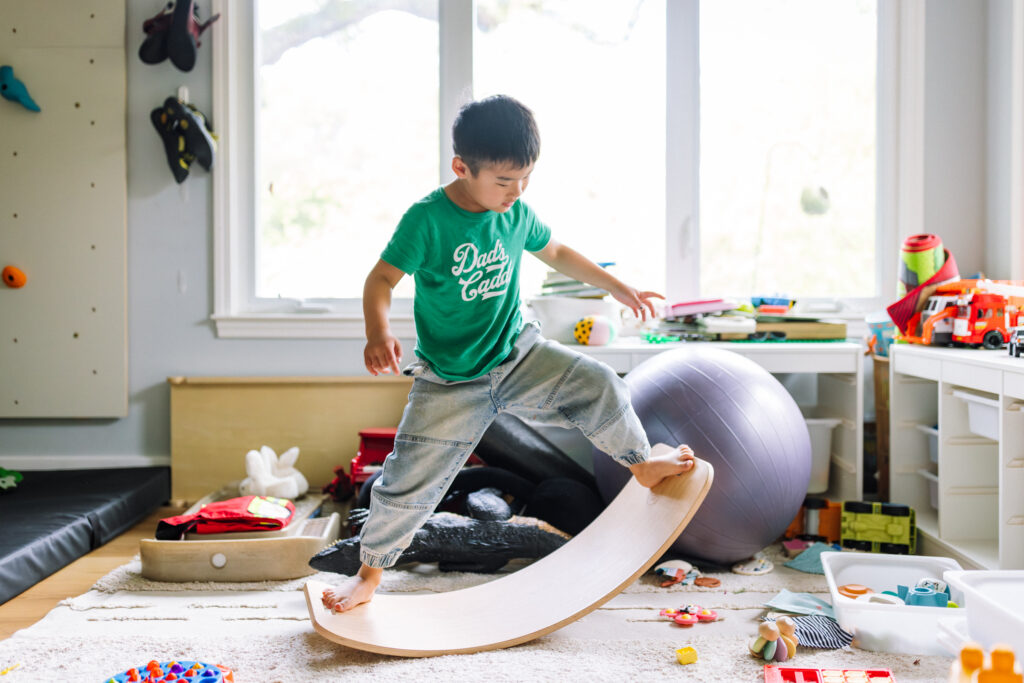
Your Child Doesn’t Have to Be “Camera Ready”
Some children walk into a session ready to go. Others need twenty minutes just to warm up to me. Both are completely fine, and both can result in photographs you’ll love.
Kids get overstimulated. They dig in when they feel pressured. They get hungry, tired, or suddenly very interested in a rock on the ground. This isn’t a problem to solve — it’s just what it looks like when children are being children. Some of the most meaningful images come later, once kids stop feeling watched and start settling into themselves.
How I Actually Work with Kids
My background is in early childhood special education. I spent over 15 years working with children across a wide range of needs and temperaments before I became a photographer, and that shapes how I approach every session — especially the ones with children who need more time, care, and patience.
I’m used to reading children quickly. I notice the way a child leans into a parent, whether they make eye contact or avoid it, whether they need to move or stay still, and what calms and engages them. That information tells me what to do next — or what not to do. I don’t push. I don’t rush. And I never try to force a smile. The best smiles come naturally.
Before We Even Meet
For children who are slow to warm, the session starts before I get there.
I send parents a photo of me ahead of time so I’m not a complete stranger when I show up. If I know a child has a current obsession — a favorite character, a show they love — I’ll sometimes reference that too. I once knew ahead of time that a toddler was really into Dora. I sent a photo, brought a puzzle my daughter had outgrown, and gave it to her right when I arrived. She warmed up almost immediately. Her parents were surprised by how quickly she settled in.
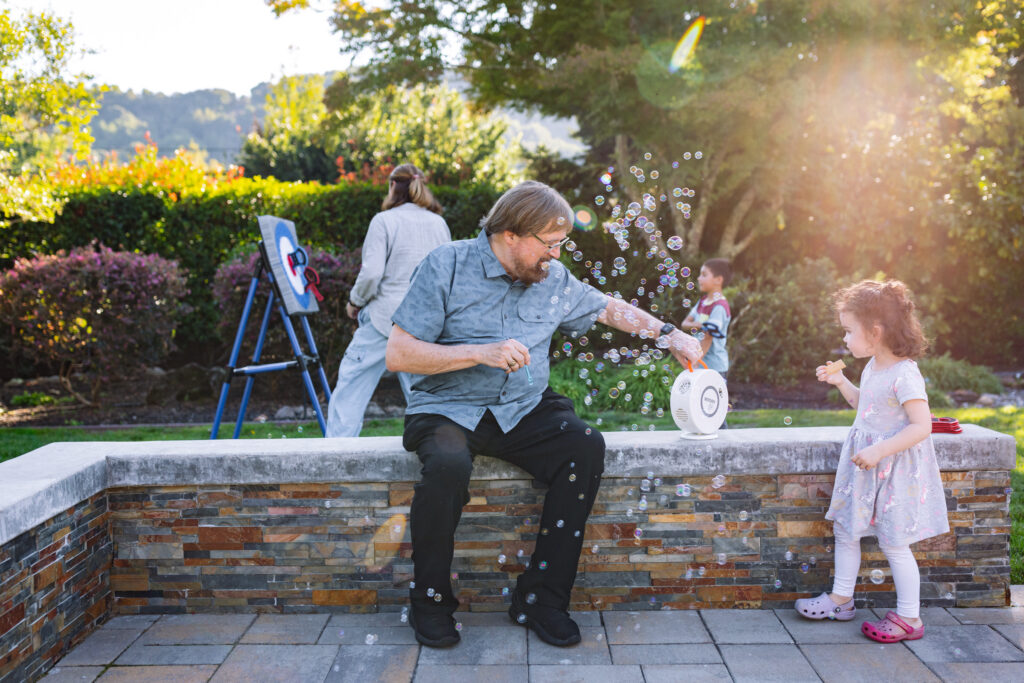
I also come prepared with a few simple things that can help create connection — bubbles, a small book, or an easy activity. What I bring — or whether I bring anything at all — depends on the child. Some need movement, some need a quiet focus point, some just need something fun to break the tension.
For in-home sessions, I arrive and ask for a tour of the spaces we’ll shoot in. It gives me a feel for the light and the layout, and it gives the child a chance to observe me from a distance without me being directly “on” them. It also gives me time to quietly observe. By the time we’re ready to start, I’m not entirely new anymore — and I’ve usually learned a few things already.
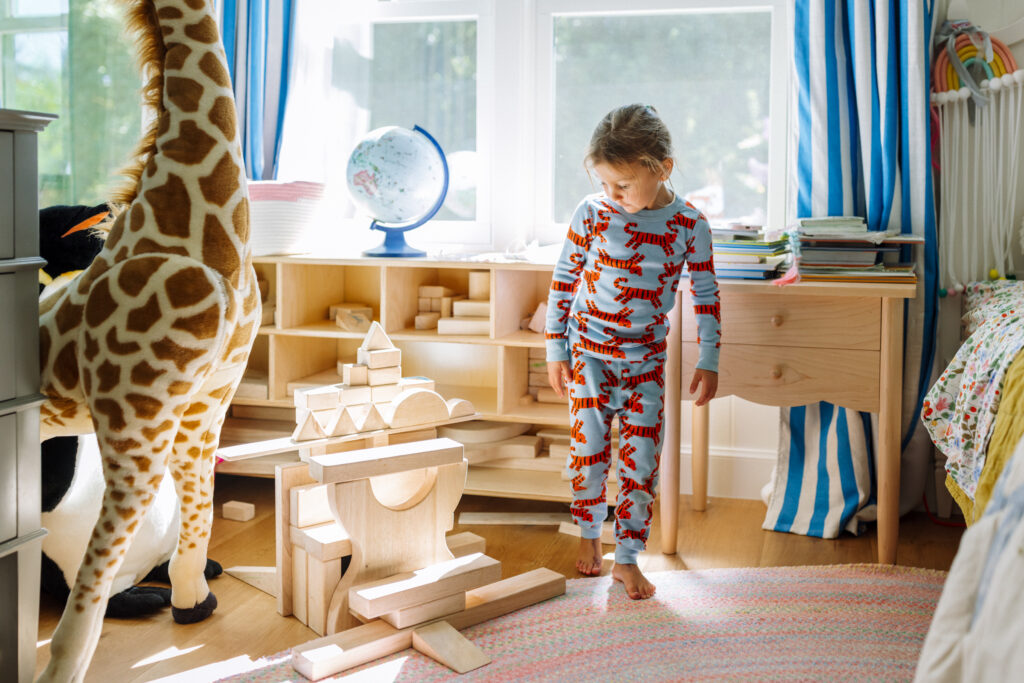
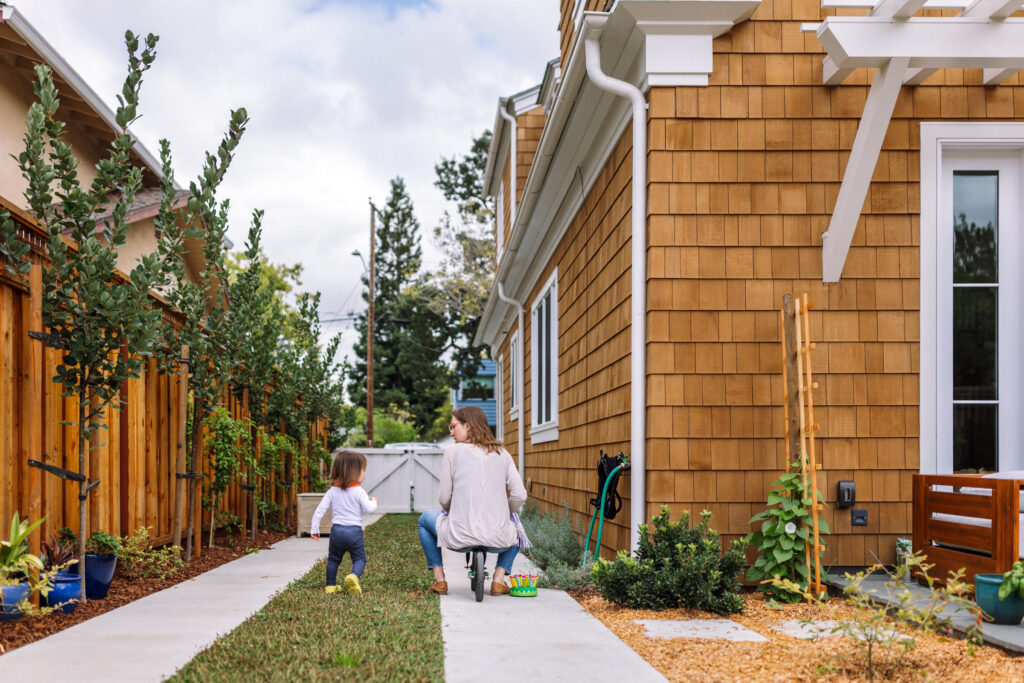
For outdoor sessions, the same principle applies — we don’t rush into it. I’ll often spend the first few minutes just walking and talking with your family before I pick up my camera. Movement helps some kids settle, and for children who are more regulated by activity and open space, being outside can actually make things easier. For others, home is where everything is predictable and familiar — and that comfort shows in the photos.
What the Session Actually Looks Like
I follow the child’s energy, not a shot list. You can read more about how family sessions are structured and what to expect on my family page.
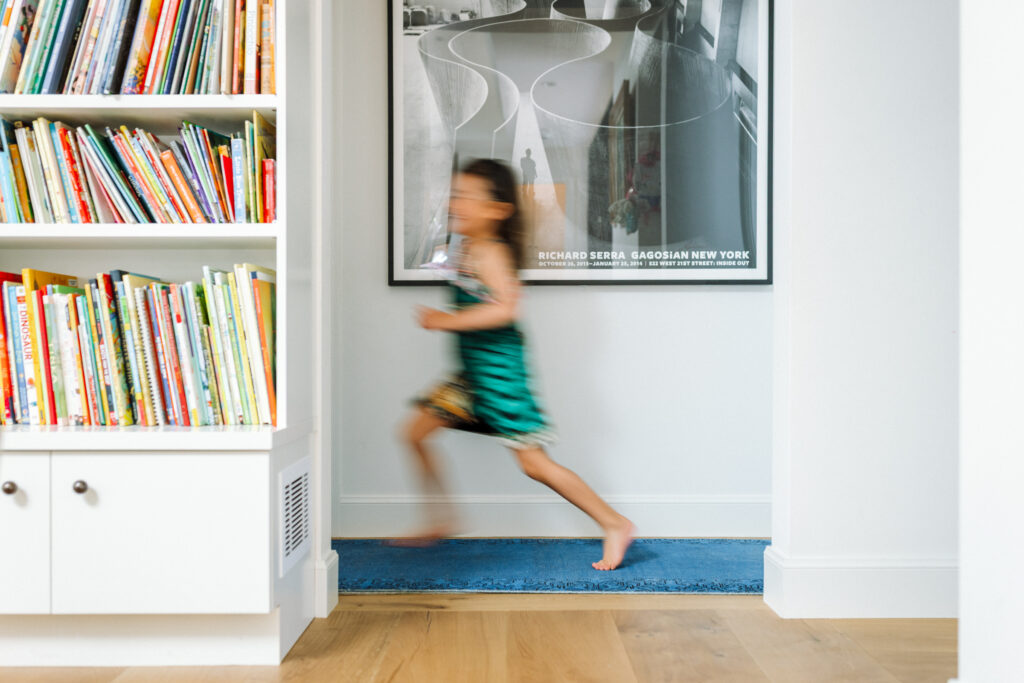
For high-energy children, I stay calm and let them move — getting low, keeping my presence steady while they do their thing. For anxious or slow-to-warm children, we take it at their pace. I might not lift my camera for the first twenty minutes. That’s okay.
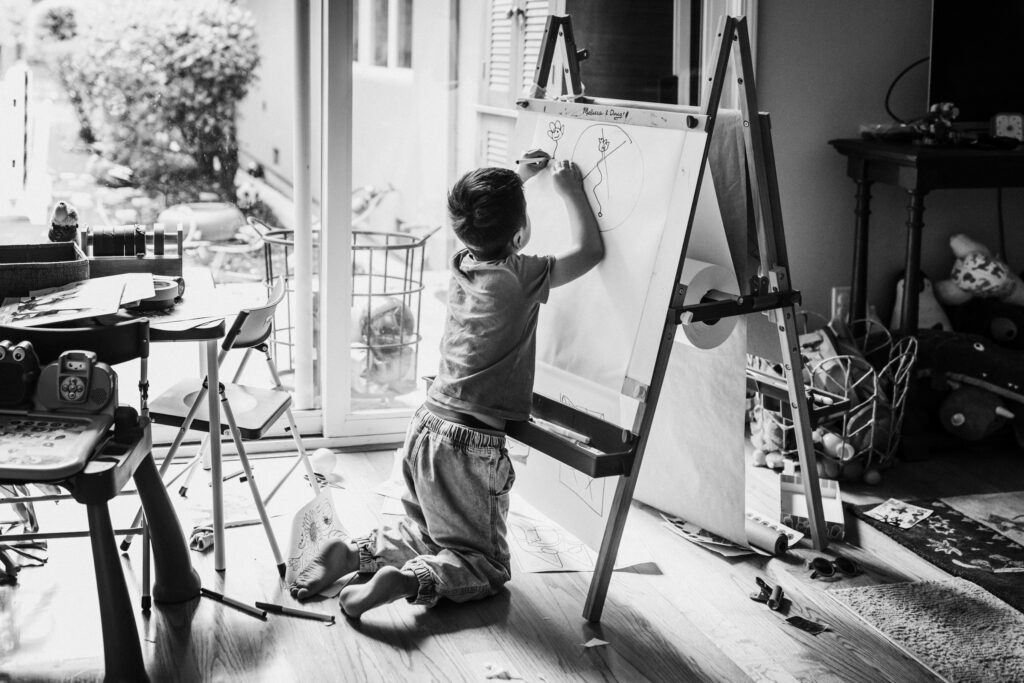
I had a session once with a girl who decided early on that she was a cat. Not just pretending — fully committed. Cats don’t have hands, so when we got to the drawing table she used her mouth to hold the pen. Her parents leaned in and drew alongside her. Nobody broke character. By joining her in it rather than redirecting her, she opened up — and we captured exactly who she is right now.
I had a session once with a one-year-old whose grandparents were visiting from out of town. He was overwhelmed by all the new faces — including mine — and cried any time I came close or raised my camera. So we waited. His parents played with him, his grandparents gave him space, and I stayed back. Eventually he came around completely, and we got exactly what we came for.
I had another session with an eight-year-old who hit a wall partway through. She walked away, arms crossed, done. Her parents were frustrated and starting to get on her case, which I understood — but I also knew that would make things harder. I asked if I could talk to her for a minute, just the two of us. I put my camera down. I noticed she was wearing a necklace and asked about it. She started talking, and within a few minutes she was laughing. Some of the best portraits from that entire session came right after that.
That’s what finding the way back in looks like. Sometimes it’s a puzzle. Sometimes it’s a necklace. Sometimes it’s a cat. But there’s almost always something.
What You Can Do as a Parent
You don’t need to manage your child through this. A few things that genuinely help:
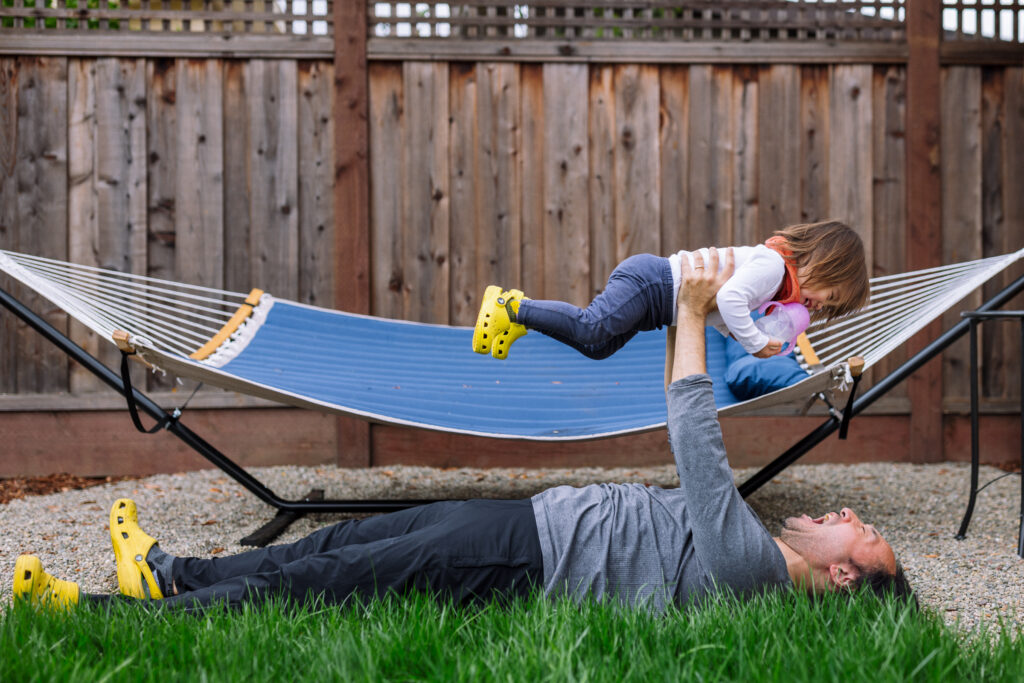
- Come ready to play. The more relaxed and engaged you are, the more your child will follow. Kids pick up on your energy more than you know.
- Don’t coach or prompt. “Look at the camera” and “smile!” almost always backfire. Trust me to work with what’s actually happening.
- Give them information ahead of time. Let them know someone is coming to take photos. Show them my picture. Make it a normal thing, not a surprise.
- Lower your expectations for the beginning. The first ten to twenty minutes are often just warm-up. That’s built in, not a problem.
These Sessions are Built for Real Kids
As an Oakland family photographer, I work with a lot of families who worry their child won’t cooperate — and it almost never plays out the way they feared. If your child is anxious, slow to warm, sensory-sensitive, or neurodivergent, this is still for you. These sessions are designed to work with how kids actually are, not how we might wish they’d be in a given moment.
I’ve spent years working with children across a wide range of situations and temperaments. There’s almost always something that works — you just have to find it. That’s part of what I do.
If you’re on the fence, I’d love to talk through what a session might look like for your family. You can learn more about family sessions here or get in touch to start the conversation.
Frequently Asked Questions
Can family photos still work if my child is sensory-sensitive or easily overwhelmed? Yes. I have a background in early childhood special education and extensive experience working with sensory-sensitive children. Sessions are low-pressure and paced around your child — there’s no rushing, no forced posing, and no expectation that things will go perfectly from the start.
What if my child cries or refuses to participate? It happens, and it’s okay. I’ve had sessions where a child needed twenty minutes or more before they were comfortable. We don’t push through it — we wait, give space, and let the child set the pace. Most sessions turn around completely once a child feels safe.
Do you have experience with neurodivergent children? Yes. Working with children across a wide range of needs was central to my work in special education. I’m comfortable with anxious, sensory-sensitive, and neurodivergent children and approach every session with that experience in mind.
How long do sessions run for slow-to-warm kids? I build warm-up time into every session, so there’s no pressure to be “on” from the moment we start. If your child needs more time, we take it. I’d rather end with genuine connection than rush toward a shot list.
What can I do to help my child feel comfortable? Show them my photo ahead of time, let them know what to expect, and come ready to play. The single biggest factor is your energy — relaxed parents almost always lead to more relaxed kids.

More Stories Like This
Want to keep reading? Here are a few good places to start.


+ show comments
- Hide Comments
add a comment